
Orthodontics is a branch of dentistry that focuses on treatments such as straightening of teeth using orthodontic braces, as well as problems pertaining to the jaw. The aim of orthodontics is to produce a healthy, functioning bite, creating higher resistance to disease processes and improving your personal appearance.
Orthodontics(Braces) and Related Assisted Procedures
What is Orthodontics (Braces)?
FIELD OF INTERESTS
Types
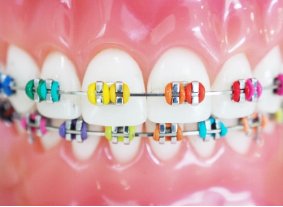
Metal
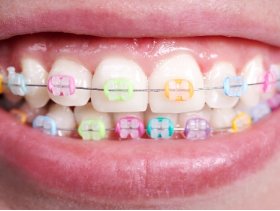
Ceramic

Invisalign
Surgically-assisted Procedures
TEMPORARY ANCHORAGE DEVICES
Temporary Anchorage Devices (TAD), are small titanium anchors used for the purpose of providing orthodontic anchorage and are removed at the completion of treatment. They may be used in certain cases to help fix more complex orthodontic problems and achieve quicker tooth movement with more efficiency and comfort.
The procedure usually only takes about a few minutes and stays in place for a few months until desired movement is complete.
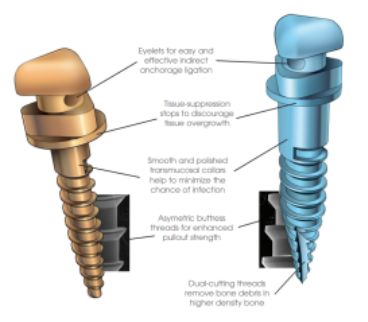
Cases that require/ benefits of TAD:
EXPOSURE OF BURIED TOOTH
Impacted incisors, canines, premolars, and second molar are problems encountered frequently. Surgical exposure of these impacted teeth is accomplished using an open or closed surgical procedure. Choosing the appropriate surgical procedure and orthodontic treatment plan will result in a stable, predictable, and aesthetic result.
RELEASE OF HIGH FRENAL ATTACHMENT
During or after orthodontic closure, persistent diastemas are frequently the result of a high frenum attachment. A labial frenectomy is a complete removal of the frenum attachment, which typically attaches to the space between the upper two anterior teeth and the center of the upper lip. It might be required if there is space between the teeth due to a frenulum positioned too high on the gums
RELEASE OF TONGUE TIE
Frenotomy: In this procedure, the thick and short flap of skin connecting the tongue to the floor of the mouth is cut.
A tongue-tie release is generally a simple procedure, where the tongue is lifted and the band of tissue attaching your tongue to the floor of the mouth is trimmed. This allows your tongue to move freely and engage in its full range of movements.